Moldy Weed 101: How to Spot It, Why It Happens, and What to Do
Stella Marie
September 12th, 2025
No Comments
Moldy weed is more common than most cannabis users realize, especially with buds that have been improperly cured, stored in humid conditions, or left sitting too long. If you’ve ever wondered what moldy weed looks like, how to tell if your stash has gone bad, or what happens if you smoke moldy weed, you’re not alone.
This guide breaks down everything you need to know about moldy weed, such as spotting visual and smell signs, understanding the risks of smoking moldy cannabis, and preventing it from happening again. We’ll also clear up myths, such as whether you can smoke moldy weed safely or “burn off” mold during use. At BestBudz, we take mold prevention seriously with airtight storage, lab testing, and proper curing on every batch because you deserve cannabis that’s clean, safe, and ready to enjoy.
What Is Moldy Weed, Really?
Moldy weed is cannabis that has developed fungal contamination, often invisible at first but increasingly dangerous the longer it sits. Mold thrives in moisture-rich environments, and cannabis, especially improperly cured or stored flower, is the perfect breeding ground.
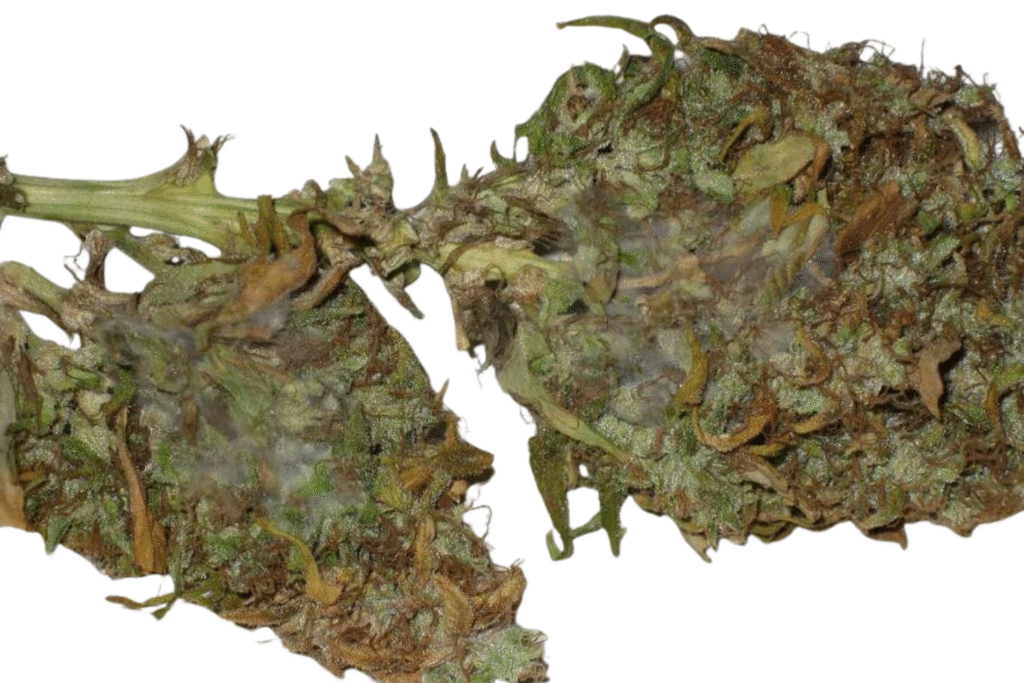
The most common types include bud rot, which causes the interior of buds to darken and decay; powdery mildew, a white, dusty mold that coats the surface; and gray mold, which looks fuzzy and dull. Because cannabis is organic, dense, and often stored in containers where air and moisture can accumulate, it’s particularly vulnerable to mold growth if not handled properly.
Why Does Weed Get Moldy in the First Place?
Weed becomes moldy when exposed to certain conditions that create an ideal environment for fungus. Here’s what typically causes it:
Improper curing: If buds aren’t dried and cured correctly, residual moisture can create mold inside dense flowers.
Humidity and moisture exposure: High humidity levels, water damage, or wet hands can introduce moisture into your stash.
Contaminated storage containers: Dirty jars or reused packaging can carry spores that spread to fresh cannabis.
Environmental factors: Warm temperatures, poor ventilation, or sudden climate shifts can encourage mold growth, especially during storage or transport.
How to Tell If Weed Is Moldy
Moldy weed isn’t always obvious at first glance, which makes it easy to miss if you’re not paying close attention. These signs can help you catch it before it ends up in your grinder.
Visual Clues
Take a close look at the surface of the bud. Mold often shows up as grayish fuzz, white powdery patches, or cobweb-like strands that may sit on top or hide deep within dense nugs. You might also notice discoloration, like brown, black, or dull gray areas that don’t belong. If the weed looks dusty but not crystalline, that’s a red flag.
Smell Test
Your nose can often detect problems faster than your eyes. Moldy cannabis usually smells musty, like damp cardboard, mildew, or even old socks. If the aroma is off-putting or doesn’t have that familiar fresh or skunky scent, it’s best not to take chances. Trust your gut and your nose.
Texture and Feel
Healthy buds should be slightly sticky, springy, and dry to the touch, not soggy, soft, or spongy. If your flower feels overly damp, breaks apart strangely, or leaves a wet residue on your fingers, mold may already be present. Moisture is a major red flag.
Mold vs. Trichomes
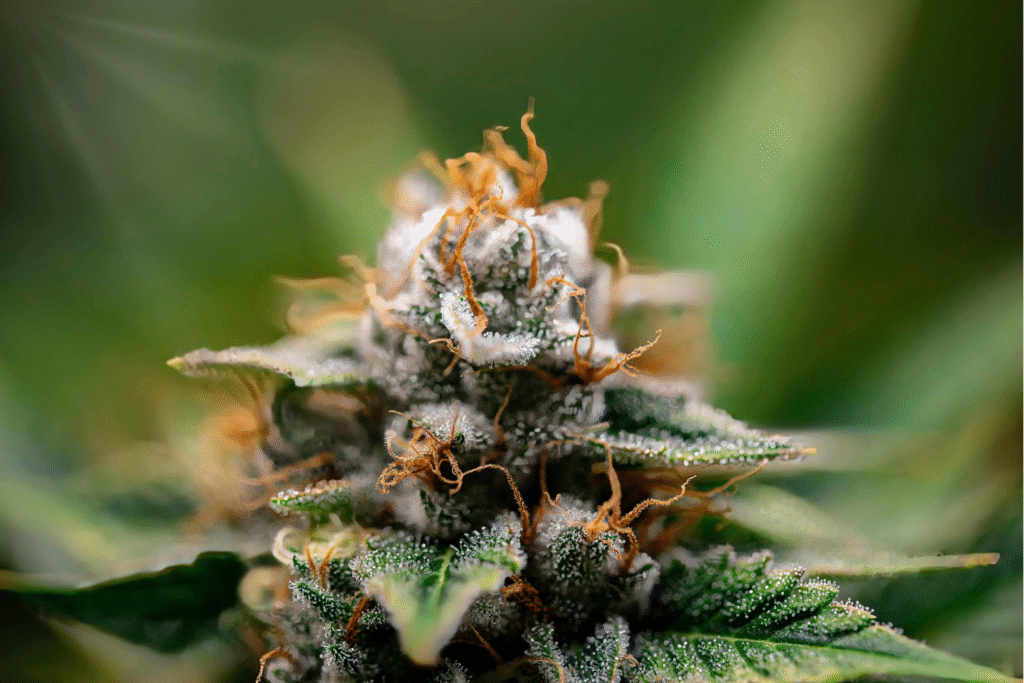
Trichomes are tiny, crystal-like structures that sparkle under light and feel gritty when rubbed. Mold, on the other hand, looks dull, cottony, or powdery. If you’re unsure, grab a magnifying glass or loupe. Trichomes appear as glassy mushroom-shaped glands, while mold tends to look fuzzy or flat with no structure.
Is It Safe to Smoke Moldy Weed?
Smoking moldy weed can pose serious health risks even if you don’t feel sick right away. Here’s what you need to know:
Short-term risks: Mold spores can irritate your lungs, causing coughing, sneezing, headaches, and allergic reactions.
Long-term risks: Prolonged exposure may lead to lung infections, chronic inflammation, or inhalation of harmful mycotoxins.
Some believe that cooking or burning cannabis at high heat kills off mold, but this is one myth that needs to go. The truth is, “burning off mold” doesn’t eliminate toxins; it can actually release them into the air, making them easier to inhale.
Decarboxylating moldy weed or using it in edibles is just as risky. Heating doesn’t neutralize the harmful compounds. Vaping moldy weed is equally unsafe. Your best move is to throw it out. No high is worth the risk of lung damage or long-term health issues.
How to Prevent Moldy Weed Before It Starts
Keeping your weed mold-free largely depends on storage and environmental conditions. A few small changes can make a big difference in keeping your flower fresh and safe to use.
Avoid the Fridge/Freezer
Stashing weed in the fridge or freezer might seem like a good way to preserve it, but those temperature swings and condensation actually invite mold. Cold storage introduces moisture, which can compromise the integrity of your buds and trigger rapid fungal growth.
Use Airtight Containers
Air is one of mold’s best friends. That’s why sealed glass jars, preferably with locking lids, are your best bet. Airtight containers keep excess moisture and contaminants out while maintaining the flower’s flavor and potency.
Keep in a Dark, Dry Space
Light and humidity can break down cannabinoids and promote mold growth. Store your stash in a cool, dark, and dry location, such as a cabinet or drawer, not on a sunny shelf. Avoid areas near bathrooms or kitchens where moisture hangs in the air.
Use Humidity Control Packs
Add a humidity pack to your jar to maintain levels between 55–62%, which is ideal for cannabis. These packs help regulate moisture inside containers, preventing your flowers from drying out while also preventing them from becoming too damp.
Cure Cannabis Properly (for Growers)
For home growers, curing is everything. After drying, buds should be cured slowly in airtight jars over a few weeks, with regular “burping” to release built-up moisture. Rushing this step can trap water and create ideal conditions for mold.
How Long Does It Take for Weed to Get Moldy?
Weed can start developing mold in just a few days if exposed to moisture, heat, or poor airflow, especially in humid environments. Without proper storage, even premium flowers can go bad surprisingly fast.
Before mold even appears, there are subtle signs your weed is going stale: faded color, dry or musty aroma, and a brittle texture. While high-quality cannabis can stay fresh for 6–12 months in ideal conditions, always inspect older buds before using.
When in Doubt, Throw It Out: Your Safety Comes First
If you’re unsure about your weed, don’t risk it. Smoking moldy cannabis isn’t just unpleasant; it can seriously impact your health. Toss it responsibly in the trash (not the compost) and clean your storage container before reuse. At BestBudz, we prioritize your safety with carefully cured, lab-tested flower that’s always stored under optimal conditions. You’ll never have to second-guess what’s in your jar.
Frequently Asked Questions
How can you tell if your weed is moldy or just frosty?
Frosty weed has shiny, crystal-like trichomes, whereas mold appears fuzzy, dusty, or web-like, often with a gray or white appearance.
Can moldy weed get you high?
It might still contain THC, but smoking it risks health issues and can ruin the experience.
What happens if you accidentally smoke moldy weed once?
You could experience coughing, headaches, or mild allergic reactions, even if you don’t feel anything immediately.
Can storing weed in a mason jar prevent mold?
Yes, as long as the jar is airtight and stored in a cool, dry place with proper humidity control.
Does freezing weed cause mold?
Yes, freezing creates condensation that encourages mold growth once the weed thaws.
Keep Your Stash Safe with BestBudz
You deserve cannabis that’s clean, fresh, and safe every time. BestBudz takes the guesswork out with properly cured, lab-tested flower you can trust. Explore our shop for mold-free, top-shelf cannabis in bulk or small quantities that’s delivered straight to your door.
Moldy weed is more common than most cannabis users realize, especially with buds that have been improperly cured, stored in humid conditions, or left sitting too long. If you’ve ever…
Cannabis lovers often wonder, does weed expire or simply lose its strength over time? The truth is that weed doesn’t spoil like food, but it can dry out, lose potency,…
Cookie Monster is a potent, indica-dominant strain born from the legendary genetics of OG Kush and Girl Scout Cookies. Known for its relaxing effects, rich flavor profile, and a win…
Chem Dawg, also known as Chemdawg or Chemdog, is a legendary cannabis strain that’s built a cult following thanks to its sharp, diesel aroma and powerful effects. It’s the genetic…
The Blue Slushie weed strain has earned its spot as a favorite among cannabis enthusiasts for its bold berry flavor, eye-catching frosty buds, and powerful effects that balance euphoria with…
The Biscotti strain has quickly earned top-shelf status among cannabis enthusiasts, and for good reason. This indica-dominant hybrid is renowned for its rich flavor profile, which combines sweet cookies with…
Popular among both seasoned smokers and newer users looking for something mellow, Milk and Cookies has carved out a spot in the top-shelf category. If you’re searching for a strain…